

Where to Watch
Checking availability in your country…
Cast
Movie Info & Details
Release Year1971
Runtime0h 05m
LanguageEN
CertificationNR
Genres—
Votes—
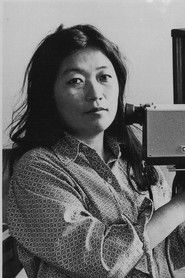
DirectorShigeko Kubota
WritersShigeko Kubota
TypeFeature Film
Rating0.0 out of 10
Cast1 credited
Also Known AsSelf-Portrait
About Self-Portrait
Access to video technology had largely been limited to corporate-run TV studios until the Sony Portapak, a battery-powered video tape recorder that could be carried by one person, was popularized in the early 1970s. This device also allowed artists to see what they were recording in real time and to immediately play it back, prompting investigations of technology’s increasingly fluid relationship to the body, language, and time itself. Shigeko Kubota’s ”Self-Portrait” embodied the boundless potential of the new medium and the freedom from precedent it represented. This work, in which Kubota interacts with her own image, contains some of her earliest known experimentation with video. Here, she used new tools to manipulate the electronic signal, creating previously unimaginable colors and patterns, and unraveling established conventions of image-making right before our eyes. [Overview courtesy of Erica Papernik-Shimizu via MoMA]
Directed by Shigeko Kubota, Self-Portrait leans on a strong ensemble — Shigeko Kubota — to carry a story that balances spectacle with character.
The film landed with audiences for its craft and performances, and remains one of the most talked-about screen titles of 1971.
Read More on the BlogYou Might Also Like
More like Self-Portrait, picked from what people are watching
 6.5
6.57 Days in Hell
2015 6.5
A fictional documentary-style expose on the rivalry between two tennis stars who battled it out in a 1999 match that lasted seven days.
7 Days in Hell
2015
 6.1
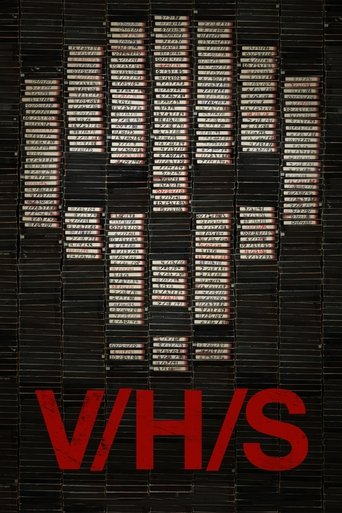
6.1V/H/S
2012 6.1
When a group of misfits is hired by an unknown third party to burglarize a desolate house and acquire one rare VHS tape, they discover more found footage than they had bargained for.
V/H/S
2012
 7.3
7.3Maria by Callas
2017 7.3
Told through performances, TV interviews, home movies, family photographs, private letters and unpublished memoirs, the film reveals the essence of an extraordinary woman who rose from humble beginnings in New York City to become a glamorous international superstar and one of the greatest artists of all time.
Maria by Callas
2017
 7.6
7.6Kubo and the Two Strings
2016 7.6
Kubo mesmerizes the people in his village with his magical gift for spinning wild tales with origami. When he accidentally summons an evil spirit seeking vengeance, Kubo is forced to go on a quest to solve the mystery of his fallen samurai father and his mystical weaponry, as well as discover his own magical powers.
Kubo and the Two Strings
2016
 7.0
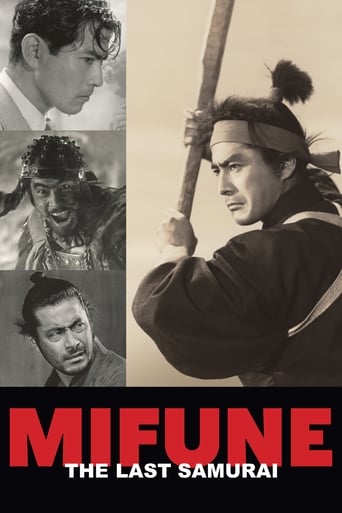
7.0Mifune: The Last Samurai
2016 7.0
An account of the life and work of legendary Japanese actor Toshirō Mifune (1920-97), the most prominent actor of the Golden Age of Japanese cinema.
Mifune: The Last Samurai
2016
 7.8
7.8As I Was Moving Ahead Occasionally I Saw Brief Glimpses of Beauty
2000 7.8
A compilation of over 30 years of private home movie footage shot by Lithuanian-American avant-garde director Jonas Mekas, assembled by Mekas "purely by chance", without concern for chronological order.
As I Was Moving Ahead Occasionally I Saw Brief Glimpses of Beauty
2000
User Reviews
0.0
Community rating
Loading reviews…
From the Blog
All Posts
News
Michael OTT Release Date: The Michael Jackson Biopic Streams August 29
The Michael Jackson biopic arrives on JioHotstar on August 29, 2026. Here is where to watch it, what you need, and why it is one of the year’s biggest music films.

News
Jana Nayagan OTT Release Date: When Vijay’s Film Streams on ZEE5
Thalapathy Vijay’s Jana Nayagan is headed to ZEE5 for its digital premiere. Here is the latest on its OTT release date and where to watch, updated as news is confirmed.
Guides
What Should I Watch Tonight? How to Decide in 5 Minutes
The average person spends more time scrolling than watching. Here's a 5-minute method to pick tonight's movie or show by mood, not by endless browsing.