Cast
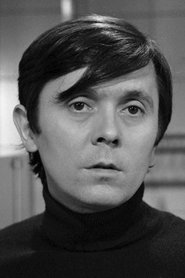
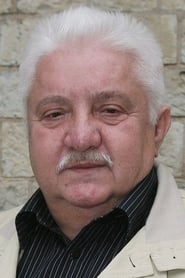
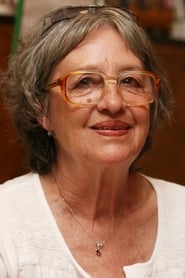
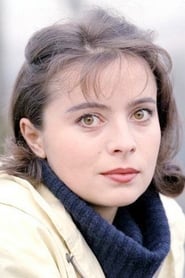

Movie Info & Details
Release Year1991
Runtime1h 34m
LanguageCzech
CertificationNR
GenresComedy
Votes4
DirectorJiří Menzel
WritersVáclav Havel, Jiří Menzel
TypeFeature Film
Rating5.2 out of 10
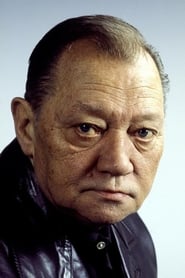
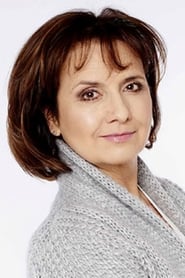
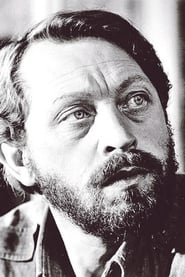
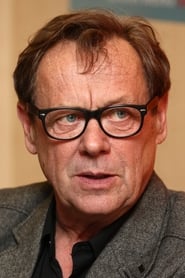
Cast10 credited
Also Known AsThe Beggar's Opera
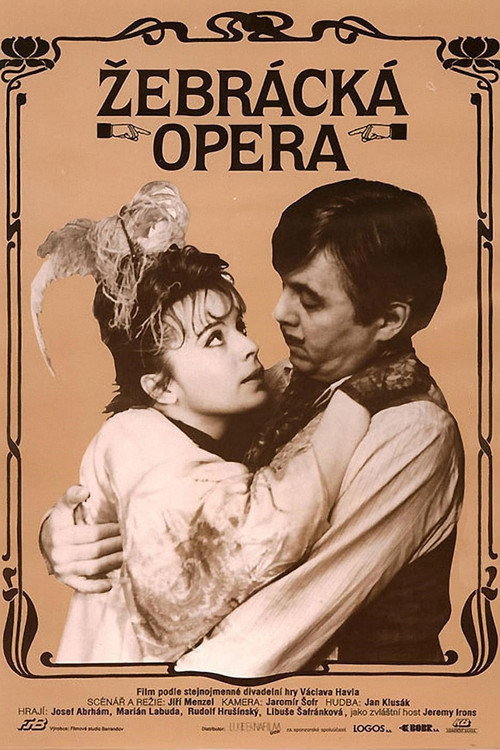
About The Beggar's Opera
Unlike any other opera, the so-called Beggar's Opera is not just one composition, but a lineage of adapted compositions, beginning with the original hugely successful 1728 political satire written by Englishman John Gay. Composers and writers have penned variations on it ever since. The most famous of these was A Threepenny Opera by Bertholt Brecht and Kurt Weill. Some things these compositions share in common is their setting among the poor and criminal classes, and the roguish character Macheath. This production is based on an adaptation of Gay's original by Vaclav Havel the freedom-fighter, writer and philosopher who became the first (and only) president of the united post-communist country of Czechoslovakia, and it retains many traces of its theatrical origins. Film reviewers were not too tolerant of what they called "slavish adherence" to the noted Czech writer's stage production, but theater, philosophy and history buffs may feel otherwise.
Directed by Jiří Menzel, The Beggar's Opera leans on a strong ensemble — Josef Abrhám, Marián Labuda, Nina Divíšková — to carry a story that balances spectacle with character.
The film landed with audiences for its craft and performances, and remains one of the most talked-about comedy titles of 1991.
Read More on the BlogUser Reviews
5.2
Community rating
Loading reviews…