
Cast
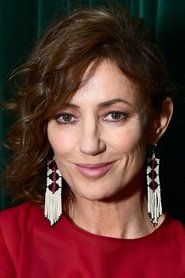
Orla Brady
as Eileen

Cathleen Bradley
as Aine Quinn

Conor Mullen
as Cunningham
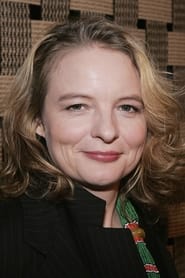
Cara Seymour
as Margaret
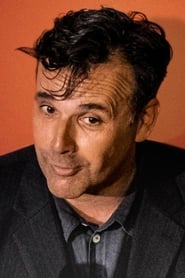
Rob Newman
as Father McGarry
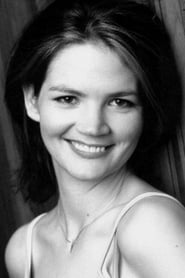
Dawn Bradfield
as Geraldine
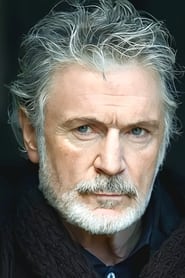
Patrick Bergin
as Peter (as Patrick Connolly Bergin)
Michael Liebman
as Warden Mark (as Michael Liebman)
Marc O'Shea
as Kevin Wheelan
Sarah Boyd-Wilson
as Ann Bates
Movie Info & Details
Release Year2001
Runtime1h 27m
LanguageEnglish
CertificationNR
GenresDrama
Votes3
DirectorMaeve Murphy
WritersMaeve Murphy
TypeFeature Film
Rating6.7 out of 10
Cast10 credited
Also Known AsSilent Grace
About Silent Grace
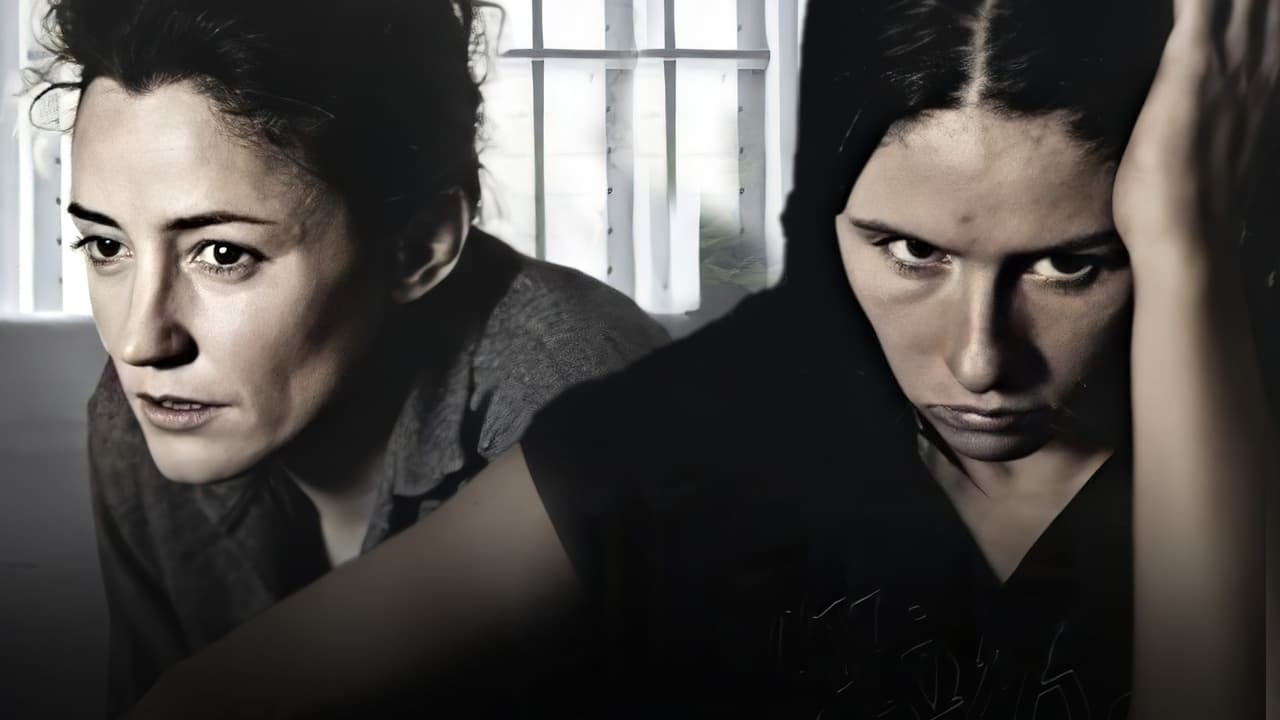
In 1976 the British Government put an end to the special category status of prisoners from the Provisional Irish Republican Army, no longer treating them as prisoners of war, but as common criminals. Mairéad Farrell – on whose life much of the film seems to be loosely based – was the first woman Republican to be refused political status in 1976. By 1980, when the film is set, Margaret Thatcher was Prime Minister and doggedly resolute: “There can be no question of political status for someone who is serving a sentence for crime. Crime is crime is crime.” Silent Grace seeks to capture the struggle for the restoration of political status that was at the heart of prison protests in Northern Ireland – not just by the more celebrated male prisoners – but by a smaller number of women prisoners, led by Farrell, at the Armagh Women’s Prison.
Directed by Maeve Murphy, Silent Grace leans on a strong ensemble — Orla Brady, Cathleen Bradley, Conor Mullen — to carry a story that balances spectacle with character.
The film landed with audiences for its craft and performances, and remains one of the most talked-about drama titles of 2001.
Read More on the Blog
User Reviews
6.7
Community rating
Loading reviews…