Cast


Movie Info & Details
Release Year1938
Runtime1h 08m
LanguageEnglish
CertificationNR
GenresDrama
Votes2
DirectorAlbert S. Rogell
WritersFred Niblo Jr., Lou Breslow, Isadore Bernstein
TypeFeature Film
Rating6.0 out of 10
Cast10 credited
Also Known AsCity Streets
About City Streets
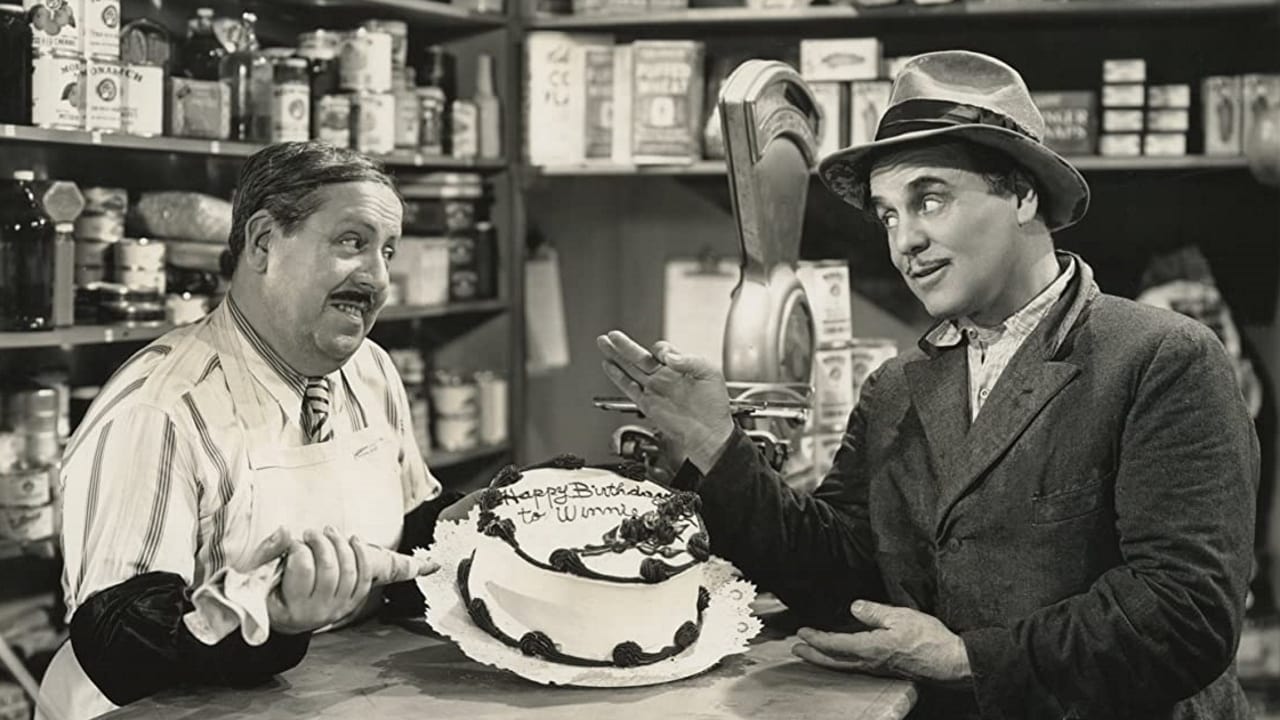
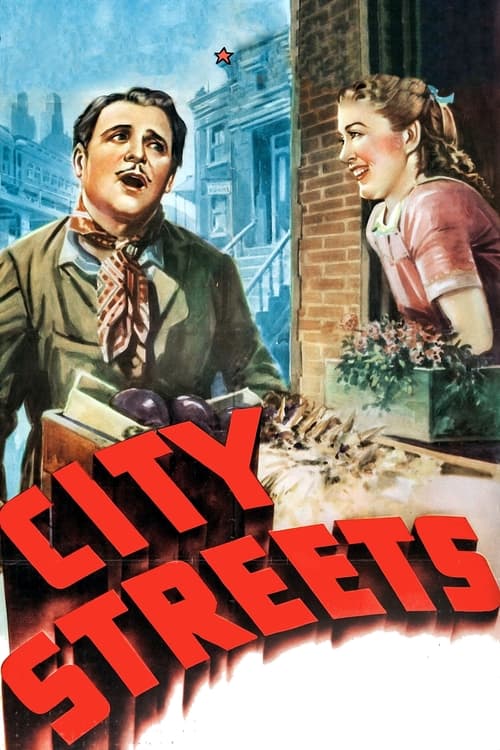
When her mother dies, wheel-chair bound Winnie Brady is taken in by shopkeeper and neighbor "Uncle" Joe Carmine. Joe convinces Father Ryan to let him informally adopt her. Joe and Winnie live together with Tommy Devlin and his grandmother, Mrs. Devlin, and a dog Winnie names Muriel. Joe sells his shop to pay for an unsuccessful operation on Winnie's legs. This bankrupts Carmine, who then earns a meager living selling fruits and vegetables on the streets. Winnie is sent to live in an orphanage, and Carmine is discouraged from continuing his relationship with her. Carmine is so distraught by grief that he slowly begins to die. Winnie is brought to him by Father Ryan, and she finds the strength to stand and walk to his bedside and sings his favorite song, "Santa Maria." Later, after Winnie has acquired full use of her legs, Joe, in his new catering truck, takes the children on a picnic in the country.
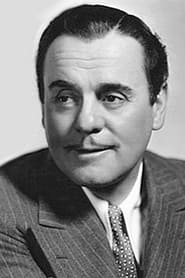
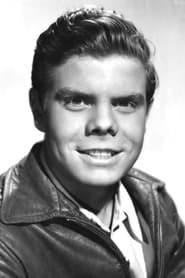
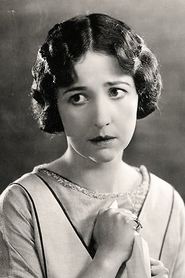
Directed by Albert S. Rogell, City Streets leans on a strong ensemble — Edith Fellows, Leo Carrillo, Tommy Bond — to carry a story that balances spectacle with character.
The film landed with audiences for its craft and performances, and remains one of the most talked-about drama titles of 1938.
Read More on the Blog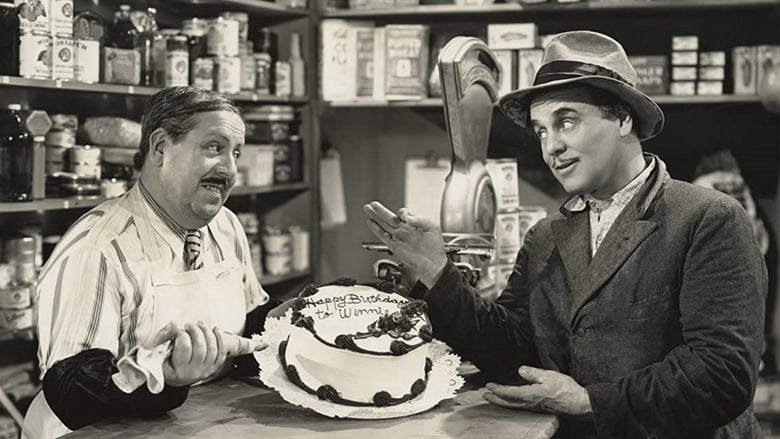
User Reviews
6.0
Community rating
Loading reviews…