
Cast



Movie Info & Details
Release Year2011
Runtime—
LanguageIT
CertificationNR
GenresDocumentary
Votes2
DirectorFilippo Soldi
WritersFilippo Soldi
TypeFeature Film
Rating2.5 out of 10
Cast6 credited
Also Known AsCase Chiuse
About Case Chiuse
February 20, 1958: the Italian Parliament approved Law No. 75, the "Merlin Law": the end of an institution of Italian society for ages: the brothel. The Italian writer Dino Buzzati likens the event to the fire in the library of Alexandria in Egypt. The brothel is an institution that has spanned the centuries,thru different aspects, different forms. It is an institution that, in Italy, at least officially no longer exists. But it is also an institution that in other countries, still exists. The doc offers a journey that will start from the ruins of Pompeii brothel to get to the lights of Artemis in Berlin, with its soft drinks and its attention to the well-being and to the erotic papyrus from the Egyptian Museum of Turin and the giant Paradise in Girona, that El Pais has called the biggest brothel in Europe.
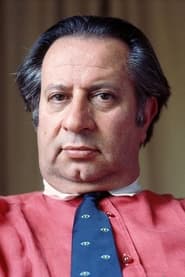
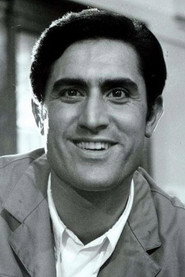
Directed by Filippo Soldi, Case Chiuse leans on a strong ensemble — Tinto Brass, Lando Buzzanca, Luciana Castellina — to carry a story that balances spectacle with character.
The film landed with audiences for its craft and performances, and remains one of the most talked-about documentary titles of 2011.
Read More on the BlogUser Reviews
2.5
Community rating
Loading reviews…