Cast



Movie Info & Details
Release Year1942
Runtime1h 39m
LanguageSpanish
CertificationNR
GenresDrama
Votes5
DirectorAlberto de Zavalía
WritersHugo Mac Dougall
TypeFeature Film
Rating5.8 out of 10
Cast10 credited
Also Known AsMalambo
About Malambo
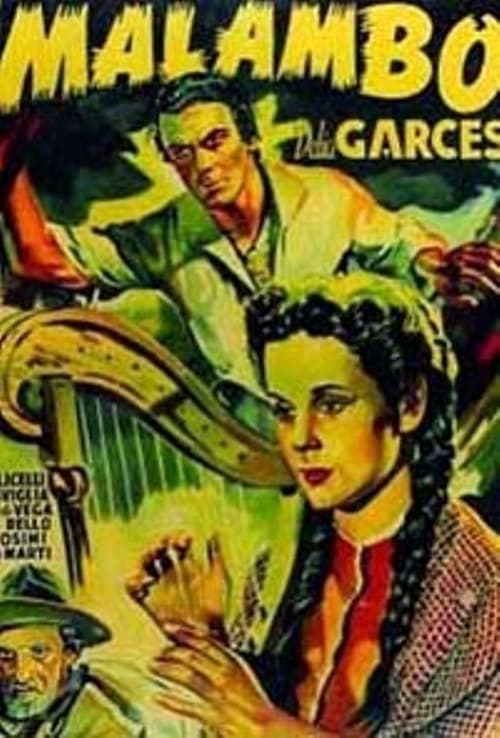
Based on a quechua legend, Malambo tells the story of a woman who lost her husband and son because of the greedy patrón of an hacienda. She swore that she would never remove the cloth over her eyes until her dead were avenged by the deaths of the patrón and his daughter. Nature seems to be on her side, since a drought has afflicted the land. Her other son, Malambo, accepts the duty of revenge. Malambo is no normal human: he is the runa-uturungo, or Hombre Tigre, of Quechua lore, and he cannot be wounded by bullets. He leads the obreros to rise in revolt and defeats the patrón. However, instead of killing the patrón's daughter--the blind Urpila --he falls in love with her, thereby breaking his mother's heart.
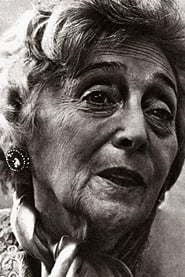
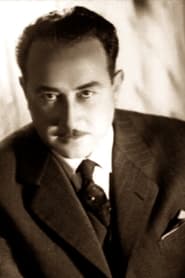
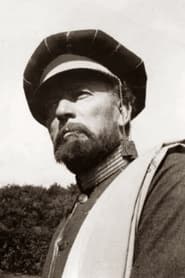
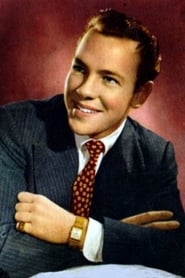
Directed by Alberto de Zavalía, Malambo leans on a strong ensemble — Delia Garcés, Oscar Valicelli, Orestes Caviglia — to carry a story that balances spectacle with character.
The film landed with audiences for its craft and performances, and remains one of the most talked-about drama titles of 1942.
Read More on the BlogUser Reviews
5.8
Community rating
Loading reviews…