Cast



Movie Info & Details
Release Year1971
Runtime1h 51m
LanguageFrench
CertificationNR
GenresDocumentary
Votes3
DirectorJean Eustache
WritersJean Eustache
TypeFeature Film
Rating8.5 out of 10
Cast3 credited
Also Known AsNuméro zéro
About Numéro zéro
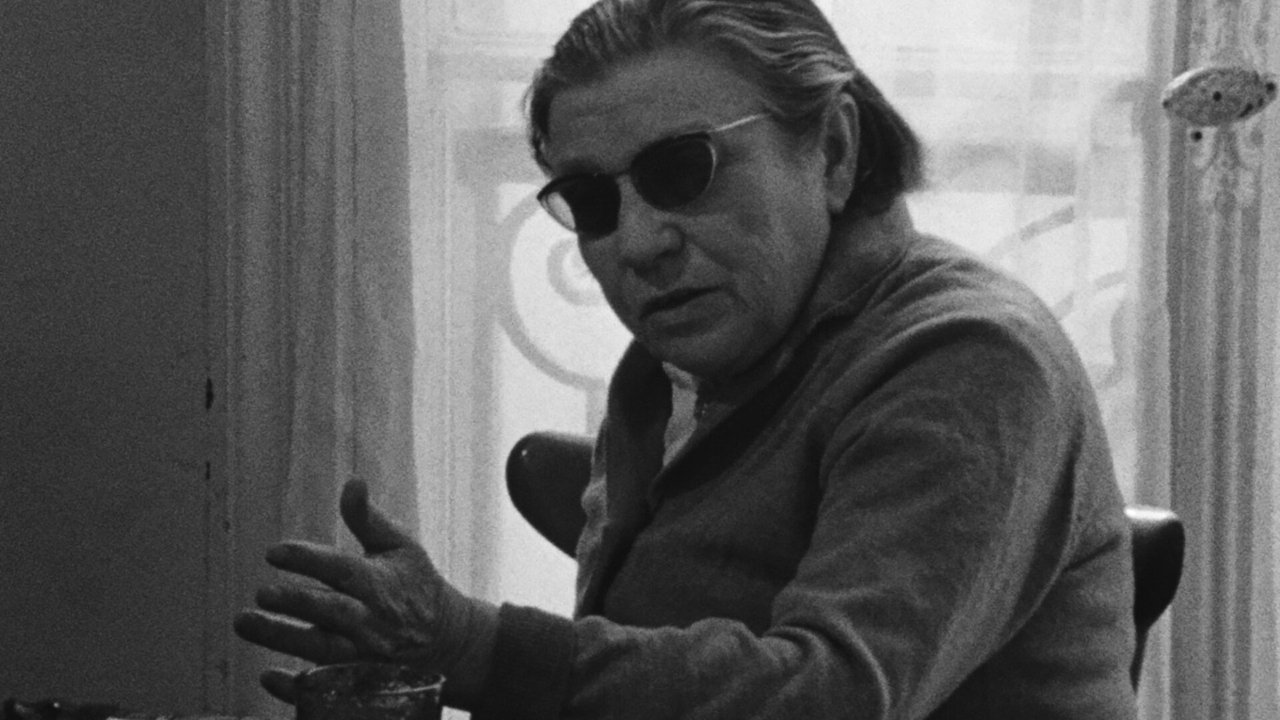
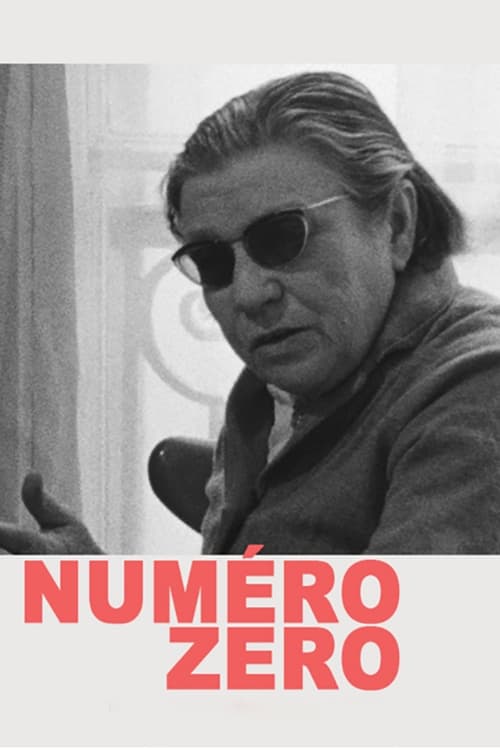
A family portrait in which the director profiles his grandmother, Odette Robert. Eustache includes in the film the conditions of its production — he is seated at the table with her, pours her some whiskey, speaks with the camera operator, manipulates the clapboard at the head and tail of the reels, and even takes a phone call. Robert, who was seventy-one, speaks rapidly and tells the story of her life, starting from her early childhood in villages in the Bordeaux region of France. A shorter version of the film ("Odette Robert") was edited in 1980 to be broadcast on television on TF1. The complete film only gained exposure in 2002, when it was salvaged by Boris Eustache, Thierry Lounas, João Bénard da Costa, Jean-Marie Straub, and Pedro Costa.
Directed by Jean Eustache, Numéro zéro leans on a strong ensemble — Jean Eustache, Odette Robert, Boris Eustache — to carry a story that balances spectacle with character.
The film landed with audiences for its craft and performances, and remains one of the most talked-about documentary titles of 1971.
Read More on the Blog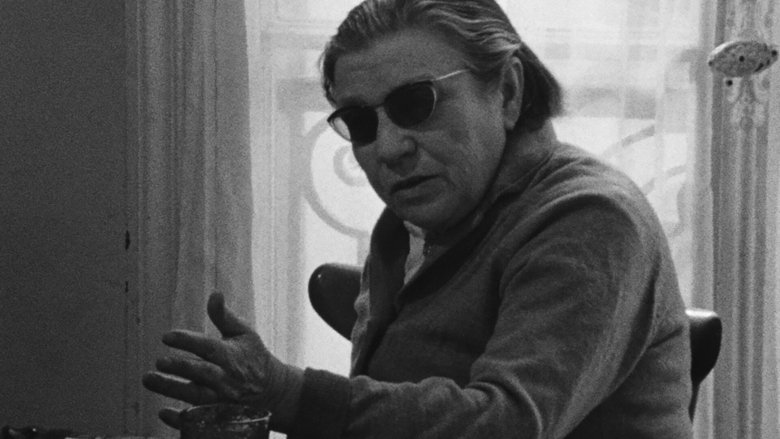
User Reviews
8.5
Community rating
Loading reviews…