Cast




Movie Info & Details
Release Year1942
Runtime1h 34m
LanguageJapanese
CertificationNR
Genres—
Votes—
DirectorKintaro Inoue
WritersKintaro Inoue, Matsutarō Kawaguchi, Toshio Tamikado
TypeFeature Film
Rating0.0 out of 10
Cast10 credited
Also Known AsSumida River
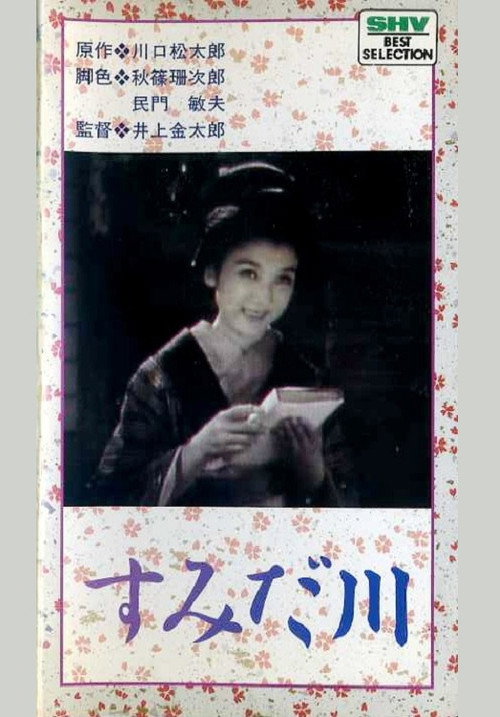
About Sumida River
Inoue was something of a rarity in the sense, that he was a Shochiku house director who seems to have worked mostly in period films, often with big stars like Hasegawa or Bando. "Sumidagawa", named after the river that runs through Tokyo, is also a period film, but thematically a modern one. All the themes that you associate with the normal Shochiku women's films set in the present day are in this film, just in a different context: love, the planning of a marriage, career, family relations and societal melancholy. There is no action or swordplay.
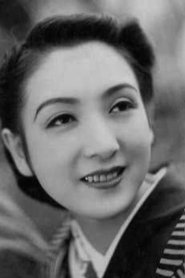
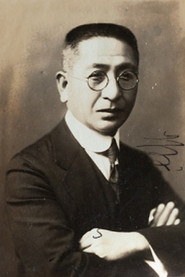
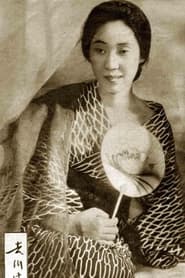
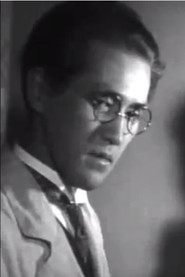
Directed by Kintaro Inoue, Sumida River leans on a strong ensemble — Shusuke Agata, Kōji Mitsui, Fumiko Okamura — to carry a story that balances spectacle with character.
The film landed with audiences for its craft and performances, and remains one of the most talked-about screen titles of 1942.
Read More on the BlogUser Reviews
0.0
Community rating
Loading reviews…